Description
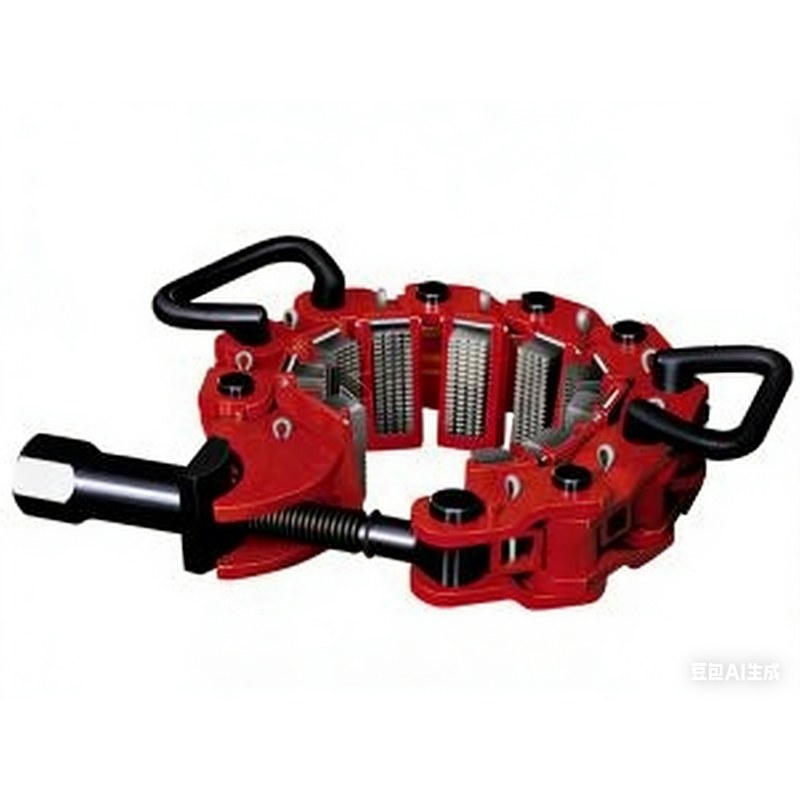
Safety Clamps for УБТ, Буровая труба and Tubular Handling
An engineering-grade SEO article covering how to select Тип C, Тип T and MP safety clamps based on pipe diameter, chain link quantity, friction mechanics, hoop stress, operating conditions and practical field risk.

What Is a Safety Clamp?
A safety clamp is a backup holding tool designed to prevent unintended downward movement of tubulars when slips or elevators are disengaged, transitioning, or not yet fully carrying the load.
In practical oilfield operations, safety clamps are commonly used for drill collar, drill pipe, and other tubular handling applications where temporary retention, load arrest, and operational safety are required. From an engineering standpoint, a safety clamp is not a primary hoisting tool. It is a fail-safe retention mechanism that must generate sufficient circumferential pressure to resist slip under transient conditions.
Why Safety Clamp Selection Matters
A poorly selected safety clamp may still “fit” the pipe but fail to provide reliable gripping performance. In engineering terms, clamp selection is governed by both geometry and force transfer.
What can go wrong
- Insufficient gripping force
- Uneven circumferential pressure
- Local contact stress concentration
- Tubular slippage
- Pipe surface damage
What good selection achieves
- Stable backup retention
- Uniform load distribution
- Управляемый hoop stress
- Reduced risk during transient events
- Improved operational safety
Похожие продукты
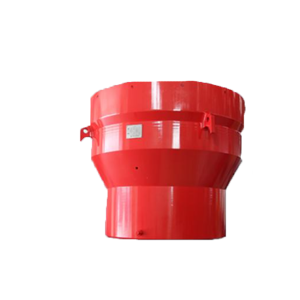
API 16A Бурение Дивертер for Противофонтанное оборудование
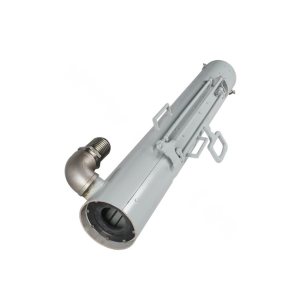
API Mud Saver Клапан | Drill String Mud Saver for Reducing Spillage
3-Position 4-Way Rotary Клапан 34ZS21-40 | ПВО Гидравлический Control Клапан